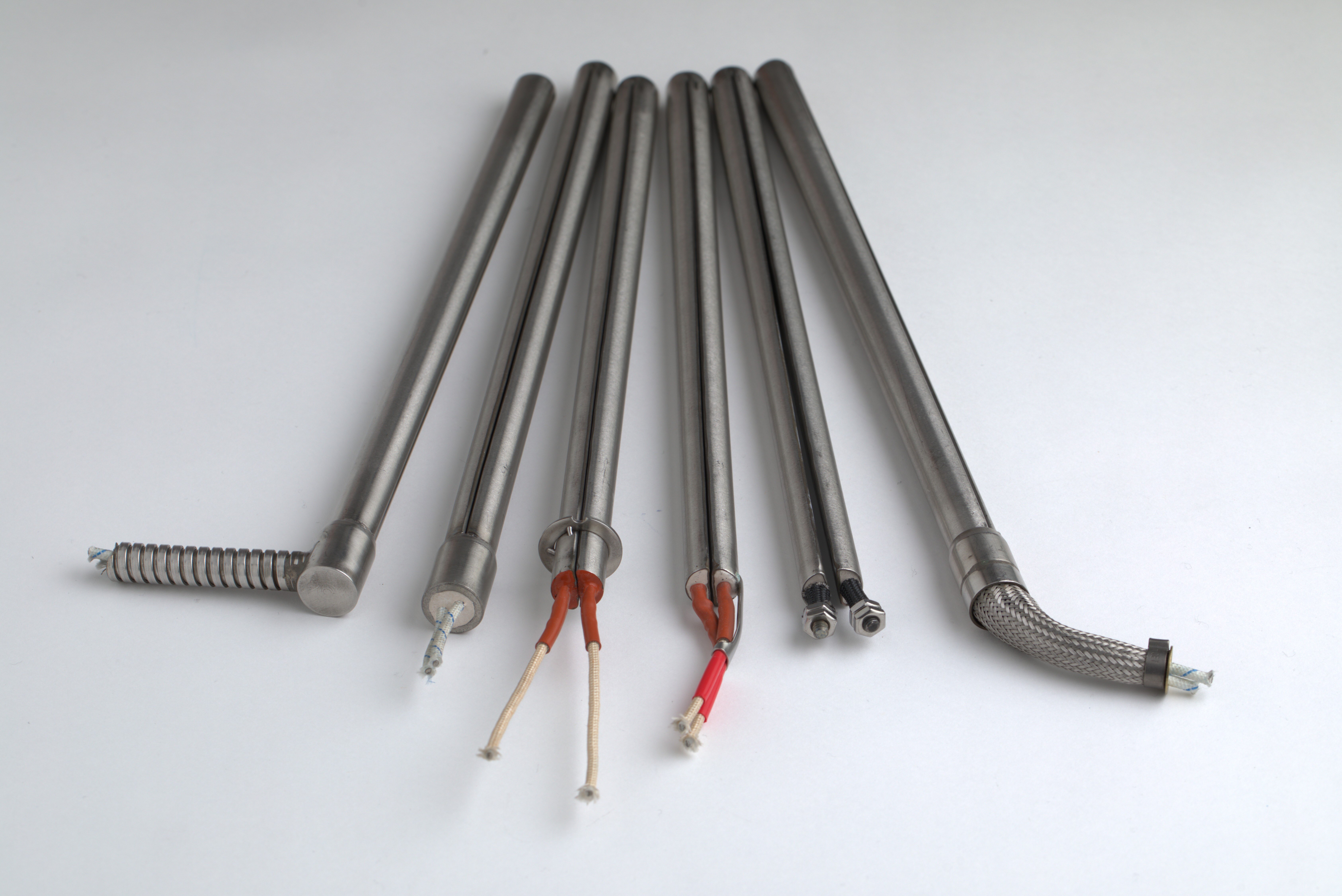
Cartridge Heater Applications and Usage
Selecting the right cartridge heater for industrial equipment is crucial to ensure consistent temperatures, efficient heat transfer, and reliable performance. Cartridge heaters may seem like simple heating components, but choosing the wrong size, wattage, watt density, or construction can lead to issues down the road with heating performance, failure, or inconsistent results.
Cartridge Heater Applications
If you’re designing new equipment or replacing an existing heating source, there are differences based on your specific application. Here are the applications using cartridge heaters and considerations when choosing a cartridge heater to get the best performance:
- Plastic Injection Molding: Providing consistent, controlled heat to molds, nozzles, and other tooling is essential for cartridge heaters used in plastic injection molding. Some important factors to consider include the required operating temperature, installation space, watt density, and heat transfer of the tooling material. The heater placement and lead configuration are crucial to ensure reliable performance without impacting the mold components or equipment.
- Extrusion Equipment: If you are using cartridge heaters for extrusion applications, you need to maintain consistent temperatures throughout the extrusion process. When you are looking at cartridge heaters, make sure to evaluate the size and geometry of the extrusion equipment, wattage and operating temperatures needed, and any potential heat loss from the process. The right watt density and heater placement will ensure uniform heating and prevent uneven heating.
- Dies and Molds: Since cartridge heaters are commonly installed directly into dies and molds for precise, localized heating. You need to consider the available space and bore diameter, the heater length and required temperatures, as well as the material being used for the die or mold. This will ensure proper heat transfer and maintain consistent temperatures required for the product.
- Heat Sealing Equipment: Cartridge heaters used for heat sealing equipment must provide fast, consistent heat to create seals without damaging the material being sealed. Some considerations when selecting a cartridge heater include the sealing temperature needed, available space, wattage, and controls. The dimensions and placement of the heater must match the sealing equipment to ensure uniform heat across the sealing surface.
- Packaging Machinery: Cutting equipment, sealing, forming tools, and other components used for packaging need localized heating operating continuously. Due to higher production volumes, consider the the cartridge heater selection should be selected based on the operating temperature, available space, and expected production cycle times. Another important factor is the lead configuration due to moving parts and machinery to make sure there is room for installation.
- Thermoforming: Shaping plastic materials requires controlled and consistent heating. Select cartridge heaters based on the material being heated, the temperature range for your process, as well as the configuration and available space for installation. The watt density and heater placement is also important for temperature consistency.
- Food Processing Equipment: Food processing exposes cartridge heaters to many environmental factors like moisture, cleaning products, frequent washing, and demanding conditions. Consider the environment, required temperatures, sheath material, electrical, and contaminants in the process when selecting the right cartridge heater. Ensuring proper installation and lead configuration will help simplify operation and maintenance over time.
- Laboratory and Medical Equipment: Cartridge heaters used in laboratory and medical equipment require highly controlled heat in small spaces. Look at the temperature requirements, available space, wattage, and heat transfer requirements when selecting a cartridge heater. Other important factors include the electrical requirements and lead configuration due to compact sizes or materials used in each application.
- Industrial Tooling: Each industrial tooling application is unique in size, temperature, and material. Consider the tooling size, available bore space, required operating temperatures, watt density, and heat transfer when selecting a cartridge heater. You will need to configure your heater based on the design of the tooling and heat needed in each process.
- Process Heating Equipment: Whether you are heating liquids, solids, gases, or metal components, your cartridge heater has to integrate with the process environment. Based on the material being heated, the required temperatures, and expected heat loss as well as any other environmental conditions like exposure to moisture, chemicals, or pressure will influence the construction of the heater, sheath material, watt density, and electrical configuration for your process.
Custom Cartridge Heaters for Specialized Applications
While many applications can use standard cartridge heaters, certain applications and specialized equipment require custom thermal solutions. You can design cartridge heaters for specific dimensions, electrical and temperature requirements, and operating environments.
Selecting the right cartridge heater is more than just choosing a heater that fits – it involves operating temperatures, wattage, watt density, sheath material, electrical requirements, and more. By identifying what your specific application needs you can design a cartridge heater that ensures temperature consistency, energy efficiency, and overall equipment reliability.
Our engineering team can review your specific application requirements and help identify the right cartridge heater configuration for your equipment and process. Talk to our team today to get started.