
Dalton Electric Careers
Senior Solutioning Engineer / Solutioning Architect
Architect system-level solutions at the intersection of sensing, controls, thermal behavior, and manufacturing economics for OEM customers.
Dalton Electric has ambitious goals to redefine how industrial heating systems are designed, deployed, and scaled. We are not pursuing growth by selling components alone. We win by helping OEMs rethink systems, economics, lifecycle, and long-term manufacturing performance.
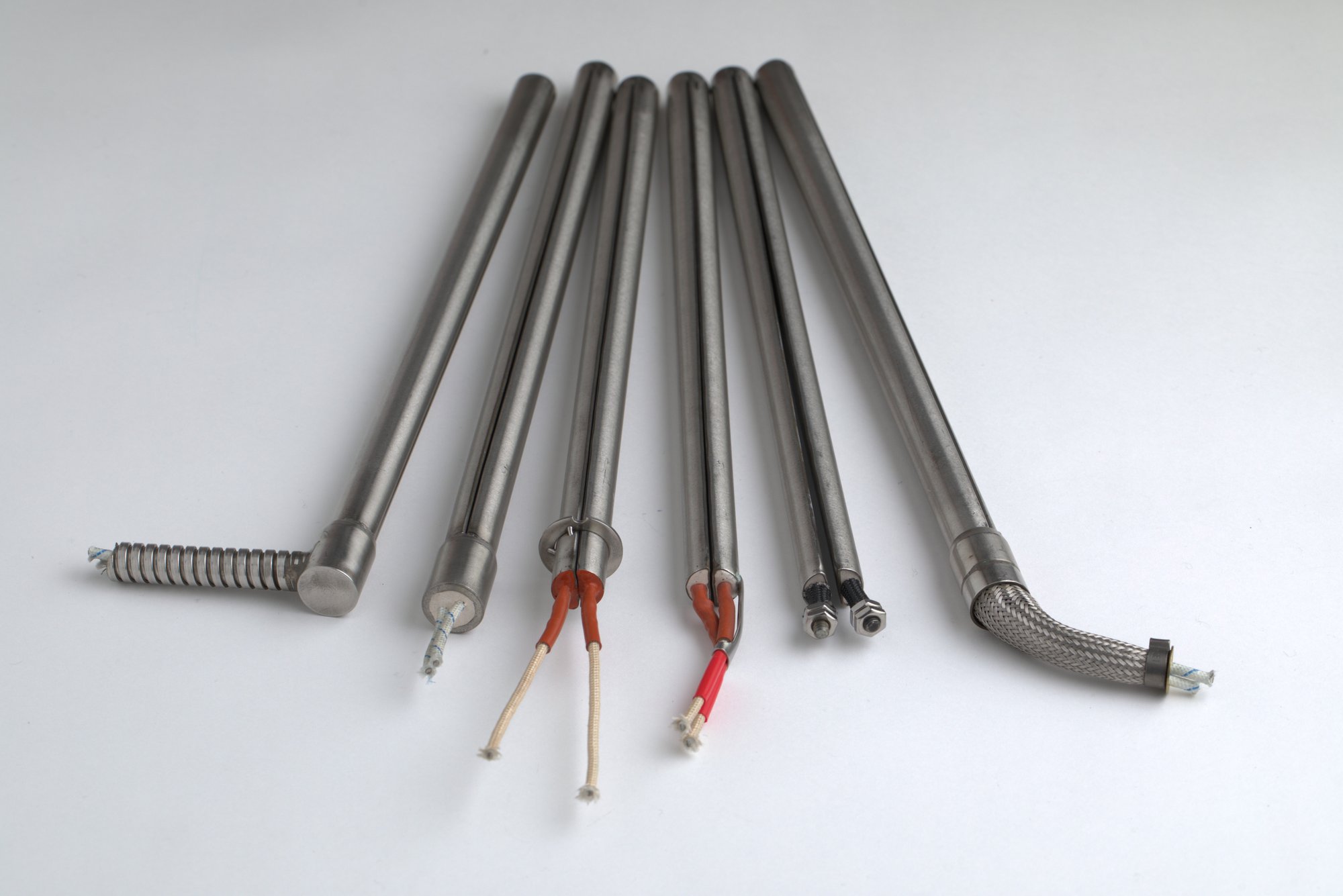
Dalton's solutioning advantage is build on a fundamentally differentiated platform. Dalton is the only company in the world exclusively focused on split-sheath cartridge heater technology, a design that is structurally superior to conventional cartridge heaters in reliability, serviceability, and system integration.
This focus has enabled Dalton to develop what we believe is the best split-sheath cartridge heater in the world. That product leadership matters, but it is not sufficient on its own.
This role exists to take a uniquely strong hardware foundation and architect systems, sensing strategies, power architectures, quality models, and economics around it that competitors cannot replicate. Solutioning is the engine behind Dalton's growth. Dalton intends to win customer conversations consistently and translate technical credibility into real customer commitments and scalable growth.
Role Intent
The primary responsibility of this role is to provide architectural leverage, not execution capacity.
The Senior Solutioning Engineer / Solutioning Architect is accountable for system-level solution coherence across sensing, power, controls, thermal behavior, materials, quality, economics, and scale. The objective is to ensure Dalton's OEM solutions evolve from effective one-off successes into repeatable, trusted building blocks.
This role is explicitly not sales engineering, project management, or application support.
Growth, Ownership & Customer Responsibility
This role sits at the front end of Dalton's growth engine.
The Solutioning Architect is part of a small, senior OEM solutioning team (three core leaders), supported by engineering, quality, and production. Together, this group is responsible for shaping the majority of Dalton's OEM growth trajectory.
This is a highly customer-facing role. While the position does not carry a sales quota or own commercial close, it plays a critical role in shaping and enabling OEM wins. The role is expected to care deeply about whether solutioning efforts translate into real customer commitments and revenue impact.
Systems-First Mandate
The solutioning Architect integrates the following architectural axes:
- Thermal and materials architecture
- Sensing and measurement architecture (highest strategic priority)
- Power controls and energy regulation
- Controllers and control theory
- Quality, traceability, and documentation as operating constraints
- Economics (OpEx vs. CapEx, recurring vs. one-time cost)
- Interfaces and standards that enable scale
OEM-Facing Expectations
- Operate as a peer-level technical counterpart to OEM architects, manufacturing leaders, and senior engineers
- Engage proactively with prospective and existing OEM customers identified through Dalton's marketing and business-development efforts
- Lead early technical discovery conversations that frame system-level opportunities
- Educate OEMs on how Dalton collaborates to improve manufacturing performance, reliability, and operating economics
- Build customer confidence through structured thinking, evidence, and disciplined reasoning
- Shift OEM conversations from component performance to system behavior, lifecycle, and scale
Decision Rights
- Challenge OEM-stated requirements using first-principles reasoning
- Reframe component-level requests into system architectures
- Define validation pathways and test plans that replace ambiguity with evidence
- Reject solutions that optimize locally but degrade system integrity or scalability
How This Role Is Measured
While this role does not own pricing, contracts, or sales targets, success is measured by its impact on closed business. This includes the quality of early solution framing, the credibility of system architectures presented to customers, and the ability to translate technical insight into customer confidence and commitment.
This role shapes the path to "yes" and is expected to care whether that "yes" happens.
Required Technical Foundation
Strategic priority order:
- Sensing and measurement architecture (sensor selection, placement, signal fidelity, drift, latency, failure modes)
- Power controls and energy regulation
- Controllers and control theory
Supporting foundations include heat transfer fundamentals, materials behavior in thermal environments, and system dynamics.
Dalton-specific products and heater designs are learnable. Underlying physics, sensing-first reasoning, and systems intuition are not.
Education & Experience
- 5-10+ years working on complex engineered systems
- Bachelor's degree in Mechanical Engineering, Electrical Engineering, Mechatronics, Controls Engineering, Applied Physics, or equivalent practical experience
Anti-Patterns (Not a Fit)
- Passive or purely internally focused contributors
- Component- or product-first problem solvers
- Reliance on heroics instead of repeatable systems
- Discomfort with ambiguity or early-stage discovery
What Success Looks Like
- OEM conversations shift toward system-level value, lifecycle, and operating impact
- Architectures and interfaces are reused across programs
- Economic discussions move from unit price to total system cost
- Evidence replaces debate in technical and quality discussions
- Dalton is trusted as a systems partner, not just a component supplier
"*" indicates required fields